

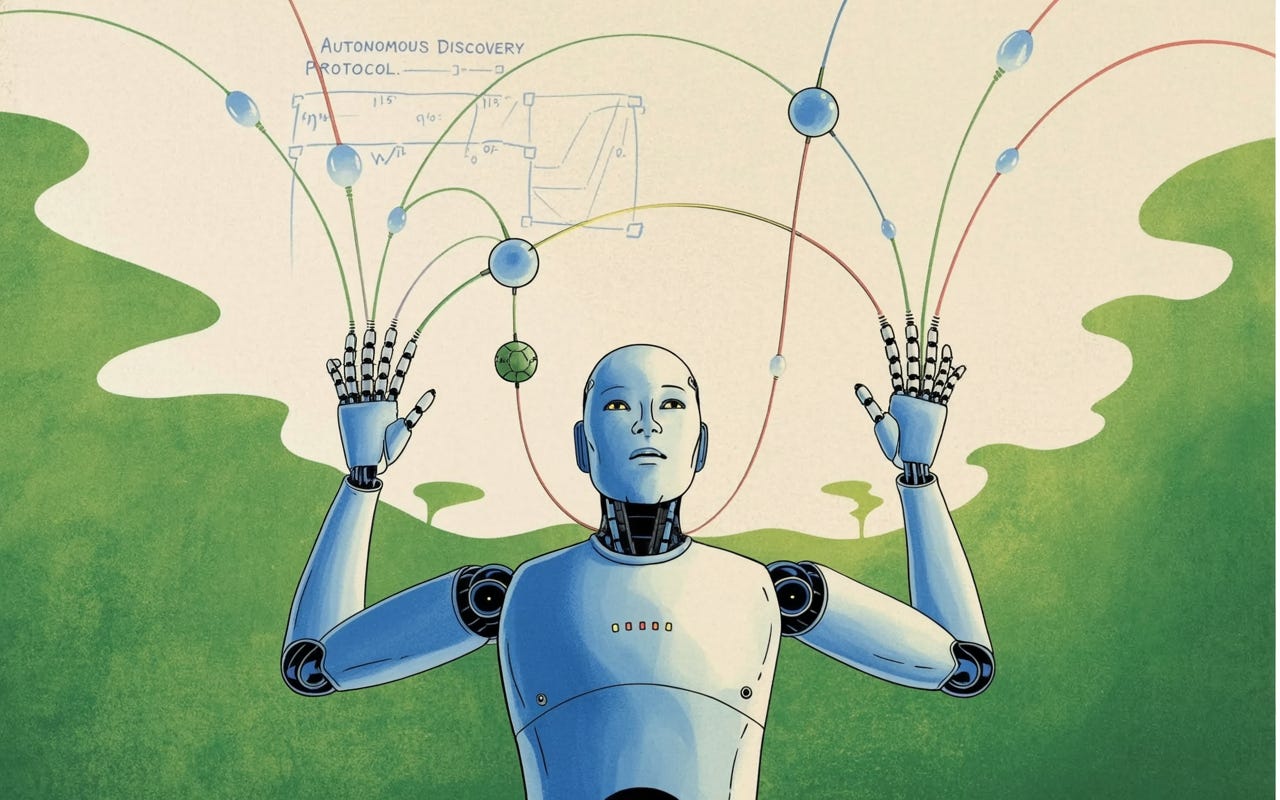
If you’ve been following the hype cycle in robotics, you’ve likely heard the debate: Do we build autonomous systems by injecting human expertise (rules, heuristics, and meticulous manual engineering) or do we let the machine learn from scratch? The reality is that end-to-end learning—automated optimization—is going to eat manual engineering for lunch. The future of robotics belongs to learning-based control, and the old way is rapidly becoming technical debt waiting to happen.
If you go back to the 1960s, engineers were writing systems of differential equations and utilizing feedback linearization to manage systems. Today, we are training neural networks to do the same job. The difference is not a paradigm shift but an implementation shift. We are simply pushing the optimization deeper into the stack. Instead of a human manually working out the physics equations, the neural net infers the dynamics through training. We are trading the meticulous manual engineering of the past for automated optimization.
We still have the same goal—rational decision-making—but the engine has been significantly upgraded.
The Accumulation of Experience
In the old world of symbolic AI and expert systems, a robot was only as smart as the rules hard-coded into it by the engineers. It didn’t get better while it worked; it just executed static instructions.
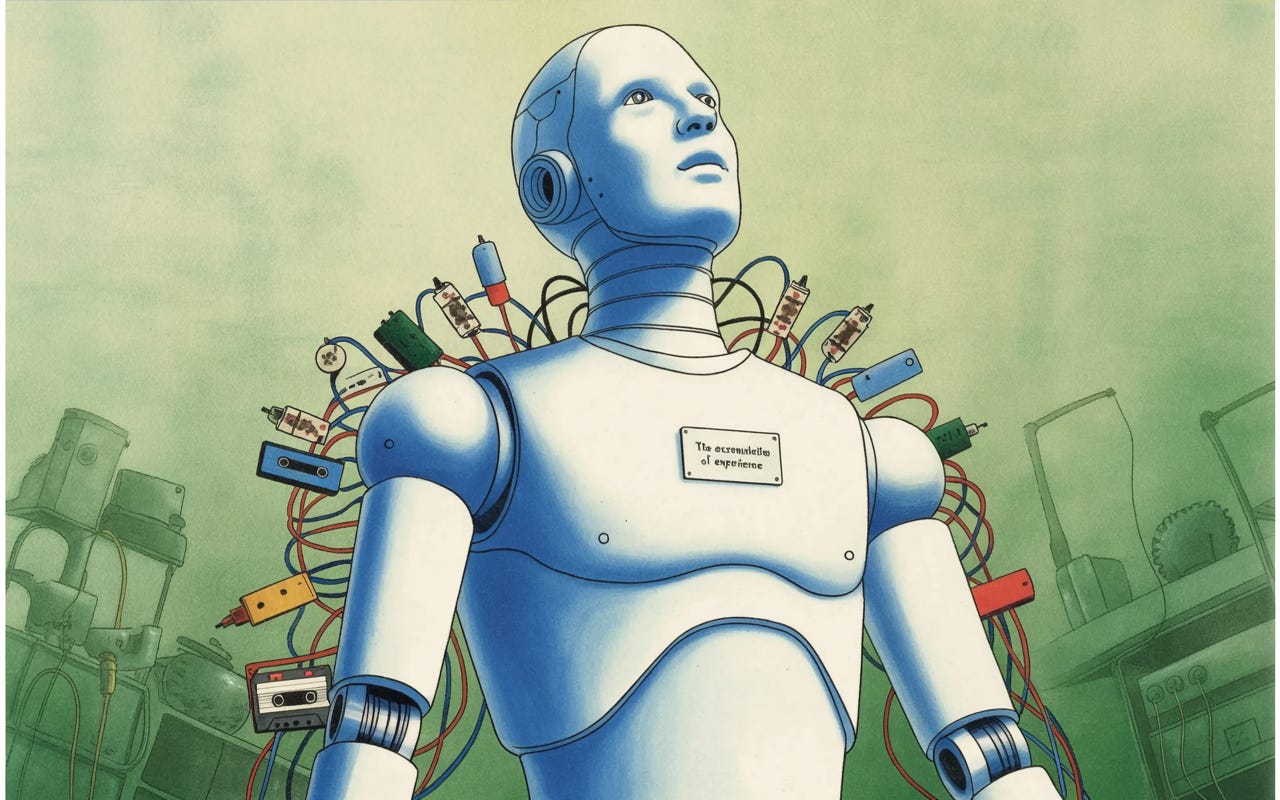
Learning-based systems operate on a fundamentally different curve because they accumulate data in the form of deep representations. This accumulation starts to feel a lot less like “math” and a lot more like “knowledge.” Think of it like compounding interest. The more the system performs a task, the better it gets.
The history of AI can be seen through the evolution of the inference engine. We moved from Phase 1, logical manipulation (If X, then Y), to Phase 2, probabilistic systems (Bayesian nets), to Phase 3, where we learned the probabilities. Now, we are in Phase 4: neural nets where we don’t even specify the nodes. When a robot predicts the outcome of an action and “inverts” that model to figure out what to do next, that is logical inference. It is just instantiated by an optimization process rather than a logic gate. The descendants of symbolic AI are already here; they just look like neural nets now.
Explainability
However, there is one place where end-to-end learning hits a wall: explainability. And when we say “explainability,” we really mean two things: mathematically and narratively.
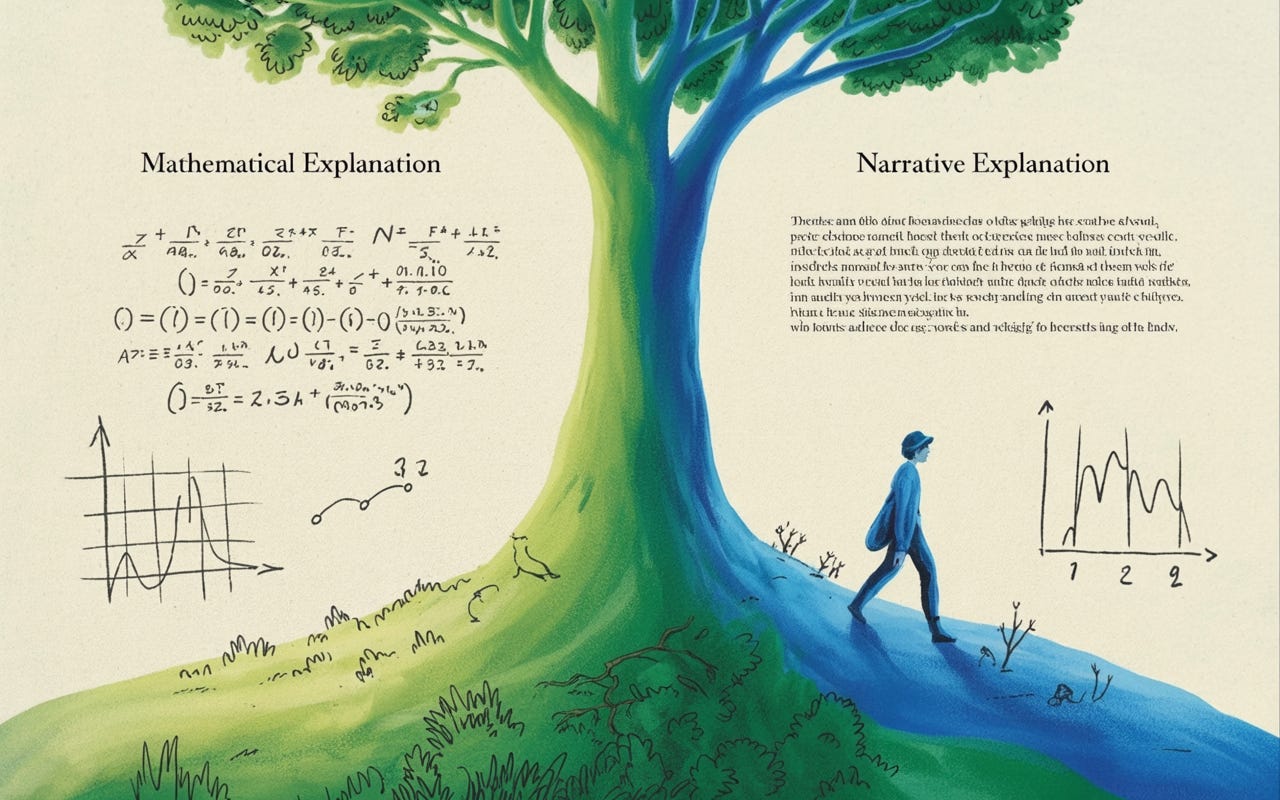
When a robot drops a pallet of glass in the warehouse, there is a mathematical explanation. However, that explanation is rarely useful to the humans in charge. The VP of Operations doesn’t want to hear about “stochastic gradient descent”; they want a story explaining why it happened. Classical expert systems were great at this because you could trace the logic, whereas neural nets are often black boxes.
We are seeing some interesting work (such as that of Jacob Andreas at MIT) where we train models to “think” in natural language. A robot might generate an internal sentence like “Go to the green plant” and test if that works. If it does, that sentence becomes the explanation. We might essentially have to add “tell the human a convincing story” to the robot’s reward function. In the enterprise, verification and validation often look a lot like narrative satisfaction.
Learning Systems
The future of robotics will not be written by engineers manually coding rules but by systems that learn to write their own. While the shift from the differential equations of the 1960s to the neural networks of today is merely an implementation detail—pushing optimization deeper into the stack—the strategic difference lies in the accumulation of experience. Unlike static expert systems that depreciate the moment they are deployed, learning-based control appreciates like compound interest, turning raw data into deep, knowledgeable representations. By standing on the shoulders of classical control theory while embracing the scalability of modern optimization, end-to-end learning offers the only scalable path to a truly autonomous future.