

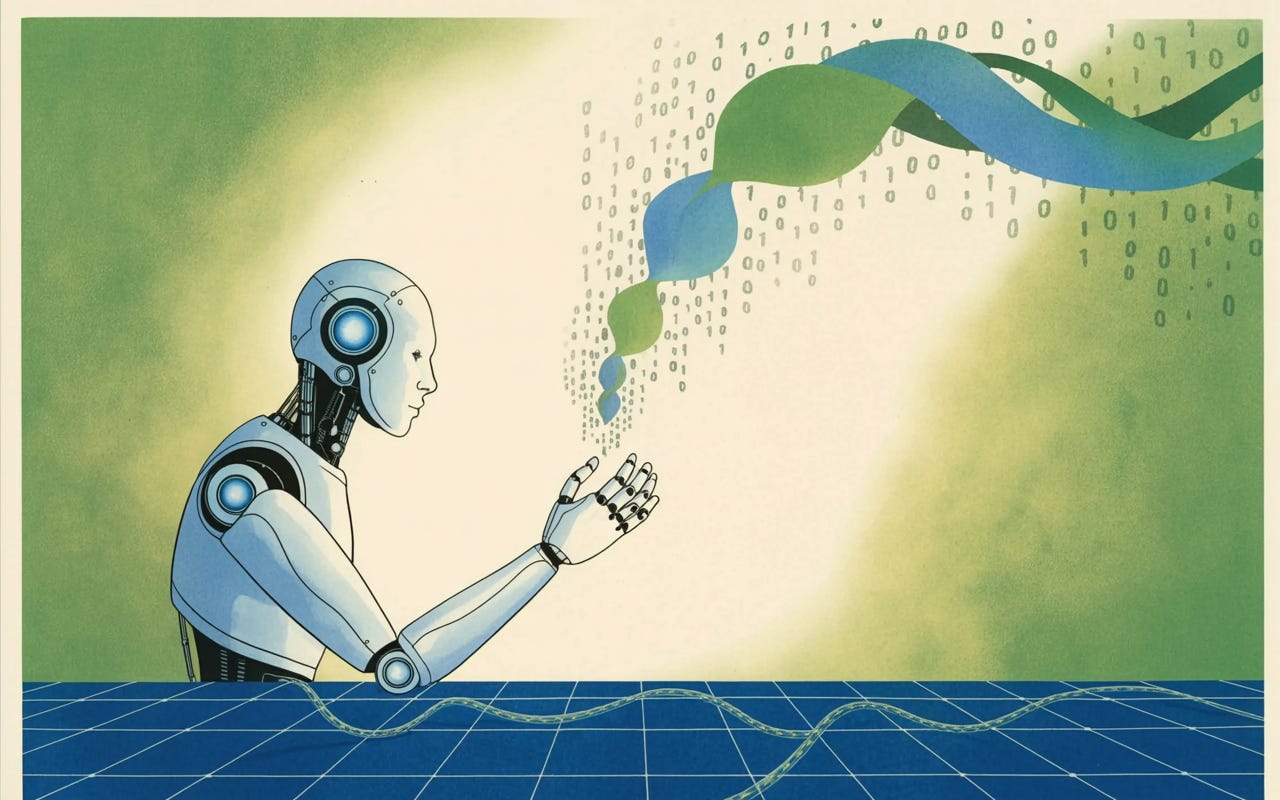
The gap between human capability and robotic autonomy remains one of the most significant challenges in modern science. While engineering can largely close the hardware gap, such as creating actuators and bodies that rival human physical strength and resilience, the intelligence gap remains vast. Current robotic systems excel in closed environments, such as factories, where every variable is controlled and pre-programmed. However, as we expose robots to more “open” and unpredictable scenarios, the limitations of our current capabilities become clear. It is becoming clear that the primary obstacle is not the robot's physical form but its capacity to reason through the unexpected.
The Role of Experience and Adaptability
Human intelligence is characterized by a remarkable flexibility that evolution alone cannot explain. While humans may have innate pressures for tasks like facial recognition, their ability to master entirely new tools, such as joysticks or spacecraft, highlights an underlying adaptability. This flexibility is supported by vast body of knowledge built up over a lifetime of unstructured experience. For artificial intelligence to bridge this gap, it may need to move away from rigid, supervised learning models and instead distill common sense from a massive, continuous stream of interaction with the world.
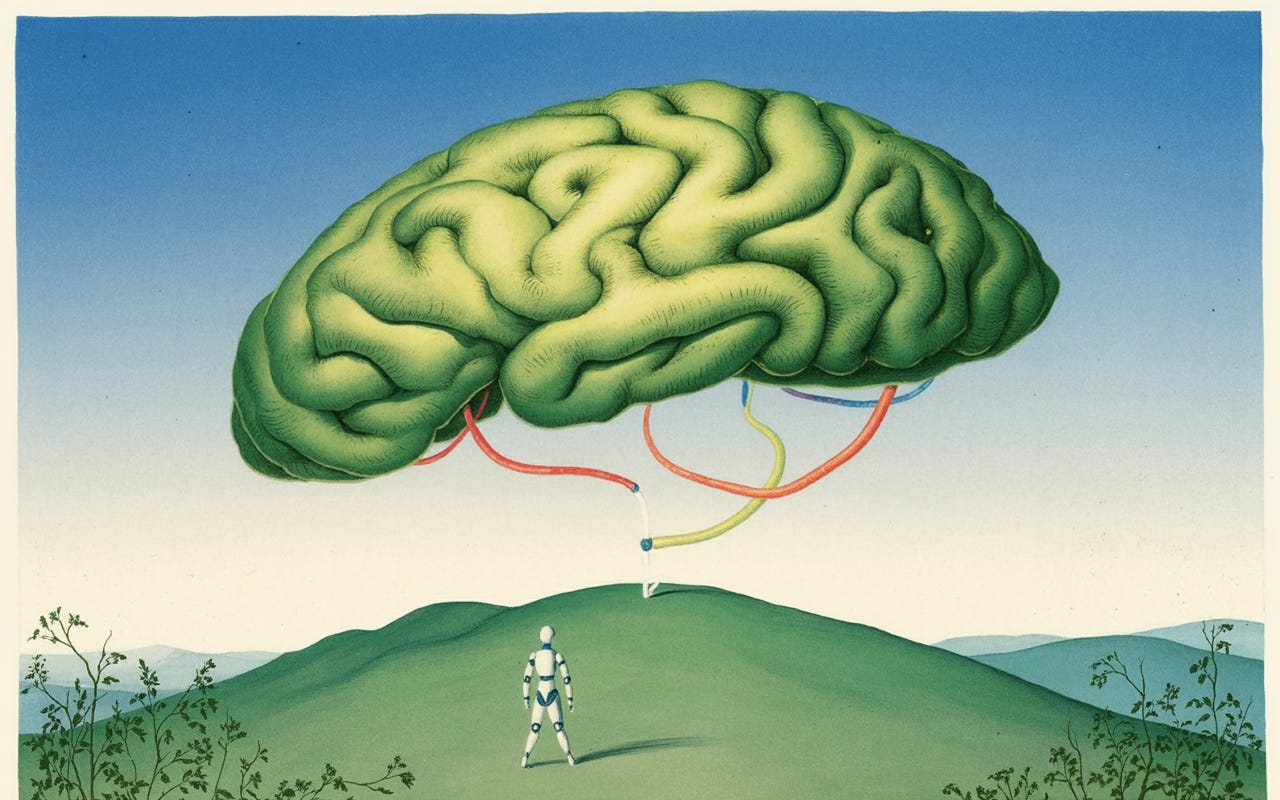
The quality of this experience is as vital as the quantity. Rather than merely consuming static data, an agent that interacts with its environment performs “hard-mining” of information, observing both successful and failed outcomes of its own actions. This interactive loop allows a system to reason about counterfactuals—the “what-if” scenarios that define common sense. By perpetually testing its model of the world and observing the results, a machine can move beyond simple pattern matching toward a foundational understanding of cause and effect.
Robotics pushes AI research beyond the abstract, demanding the tight integration of seeing, moving, and predicting. Historically, engineers treated these as isolated problems to be wired together later. However, end-to-end systems that unify perception and control consistently outperform their modular counterparts. By optimizing for the specific demands of a task—such as the precise horizontal alignment needed for peg insertion—these systems bridge the gap between calculation and action. This holistic strategy echoes biological systems, which rely on efficient rules of thumb rather than complex equations to survive.
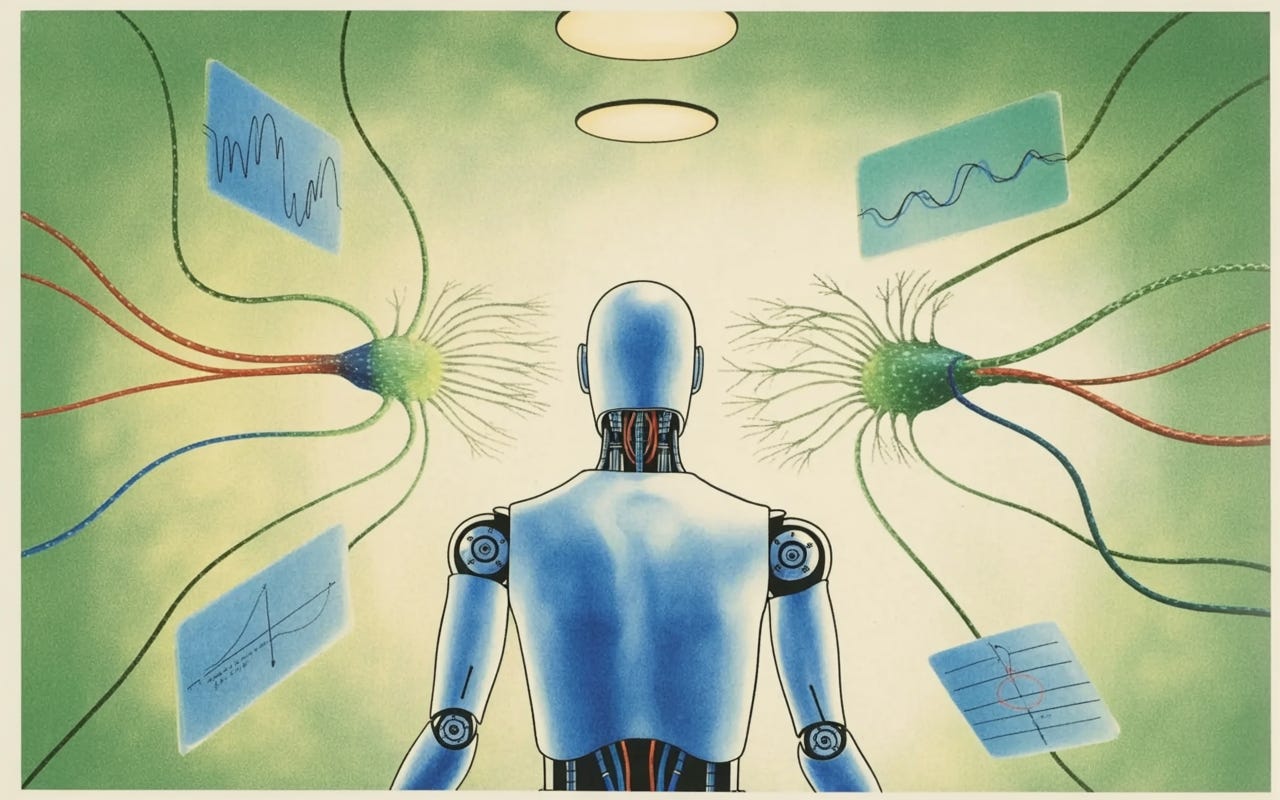
Revisiting Moravec’s Paradox
Nowhere is the divide between human and machine intelligence clearer than in Moravec’s Paradox. This principle observes that while high-level reasoning is computationally cheap, low-level sensorimotor skills are incredibly expensive. We often mistake our conscious thoughts for the bulk of intelligence, but they are merely the tip of the iceberg; the massive, submerged portion consists of the unconscious, complex calculations required to simply walk, see, and grasp.
For a robot, playing the stock market is trivial, but walking across a cluttered room without falling over remains a frontier challenge. To understand why, we must look at the fundamental differences in how tasks are processed:
Calculus vs. Motor Skills: A computer can solve complex integrals effortlessly but struggles to grasp a plastic bag or pour water.
The Supervision Gap: Unlike computer vision, which can be fed labeled images, motor control lacks clean supervision. Humans are not told which muscles to fire to walk; they figure it out through trial and error.
Physical Complexity: Manipulating objects involves more than geometry; it requires understanding material properties like flexibility, friction, and the risk of spilling contents.
As these challenges are addressed, the focus shifts from perfecting specific tasks, like robotic grasping, toward building systems that can quickly figure out any arbitrary new task.
Reinforcement Learning as a Foundation for Control
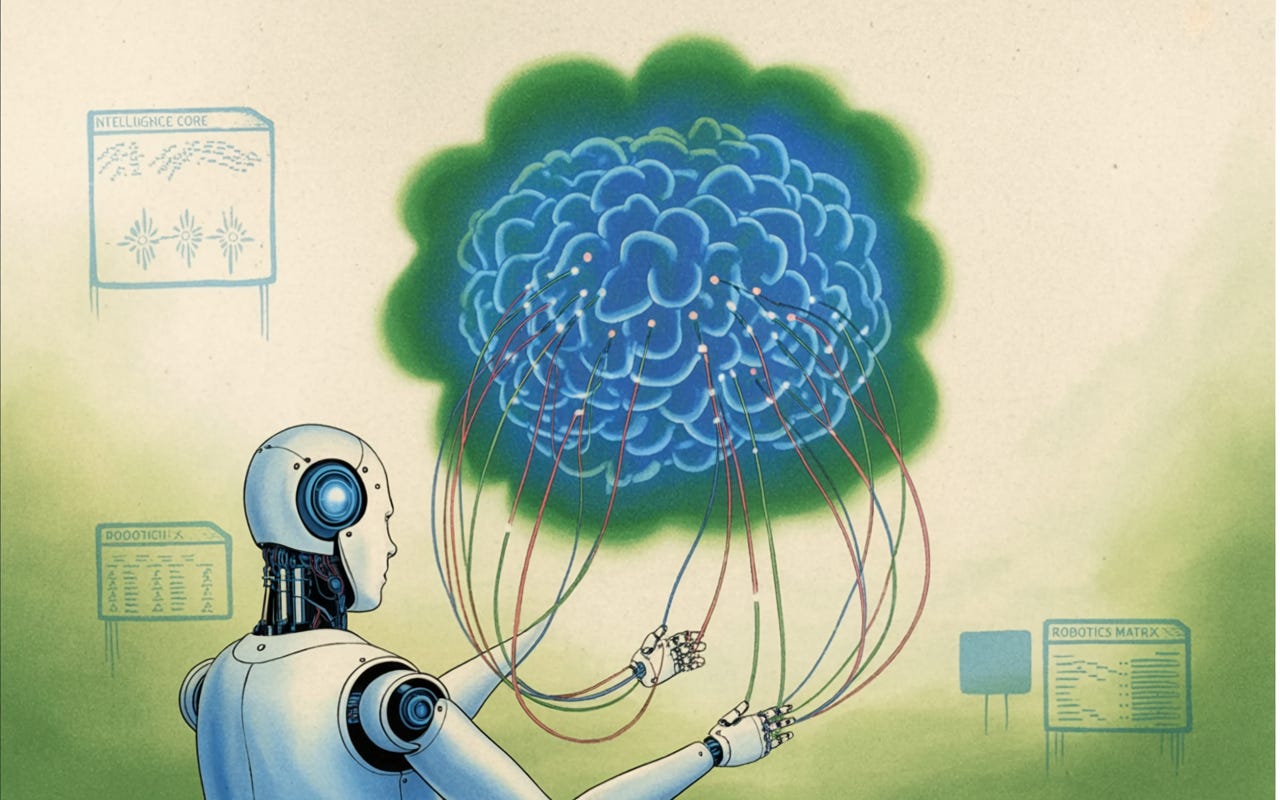
Modern reinforcement learning (RL) represents the contemporary incarnation of learning-based control. It is a mathematically principled framework for making rational decisions that maximize utility over time, even in the absence of a complete model of the world’s physics. By combining RL with high-capacity neural networks—known as Deep RL—machines can now discover their own “features” from raw data. This eliminates the need for human experts to manually program specific heuristics, allowing the system to learn the nuances of a domain, whether it is the board game Go or the complexities of robotic manipulation.
Despite the power of Deep RL, practical bottlenecks remain, particularly regarding sample efficiency and safety. In a simulation, a robot can fail millions of times without consequence; in a real kitchen, it would break every dish before learning to wash one. Moving forward, the goal is to develop off-policy or offline RL, which allows machines to bootstrap their intelligence from large, pre-existing datasets before fine-tuning through real-world experience. This prior data serves as the foundation upon which a sliver of new, autonomous exploration can build.
The Future of Autonomous Discovery
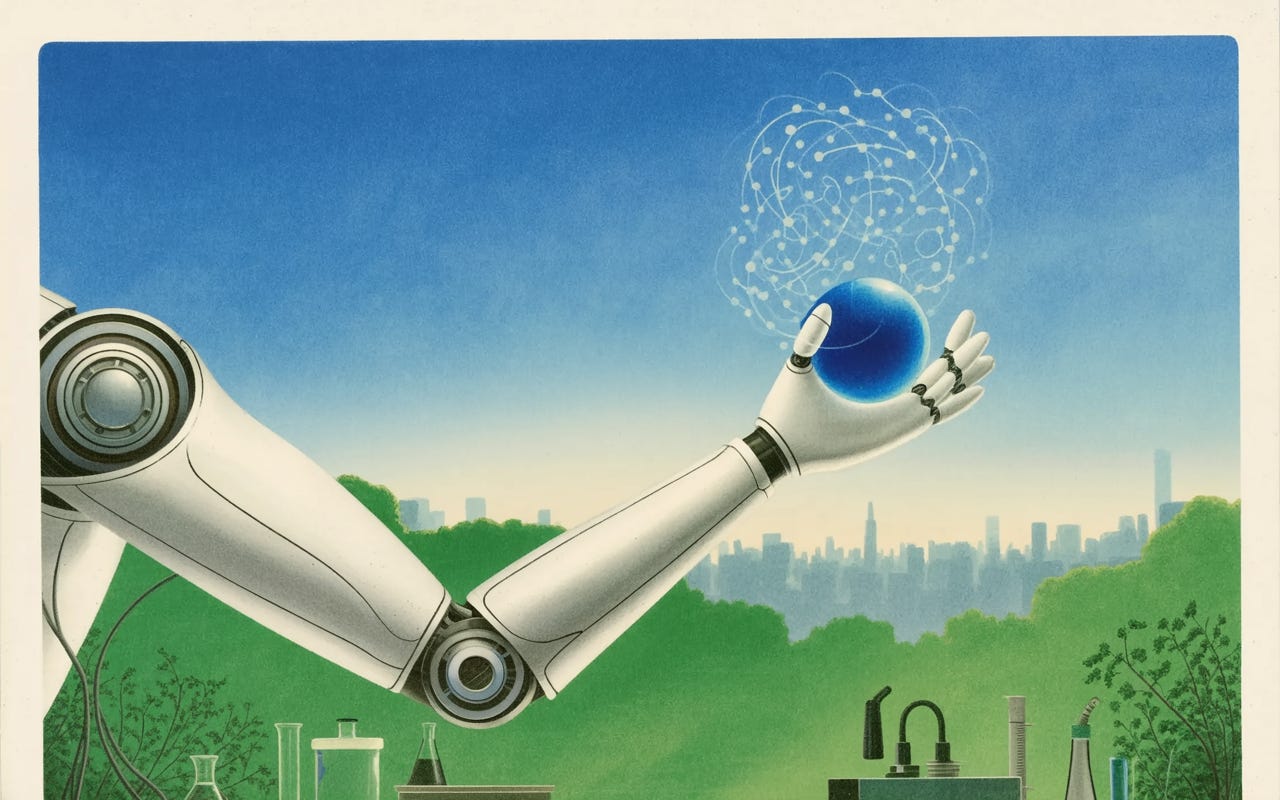
The highest objective of robotics research is arguably not the creation of a specific product but the understanding of intelligence itself. By forcing AI to inhabit our messy, physical universe, we compel it to acquire the same common-sense reasoning that humans use to survive. This journey involves moving away from human-designed bottlenecks, such as hand-crafted simulators or labeled datasets, toward systems that can improve indefinitely through natural interaction. The most profound realization of this field may be that a machine’s intelligence should only be limited by the complexity of the universe it inhabits.
True success in this domain would look like a machine that never hits a wall in its learning process. Instead of reaching a plateau defined by its programming, such a system would continue to refine its understanding of the world for as long as it exists. This vision of perpetual, autonomous improvement represents the final frontier in creating agents that are not just tools, but truly intelligent entities capable of navigating the infinite variety of reality.